other
  • Fire Sprinkler Head Guard

    Fire Sprinkler Head Guard

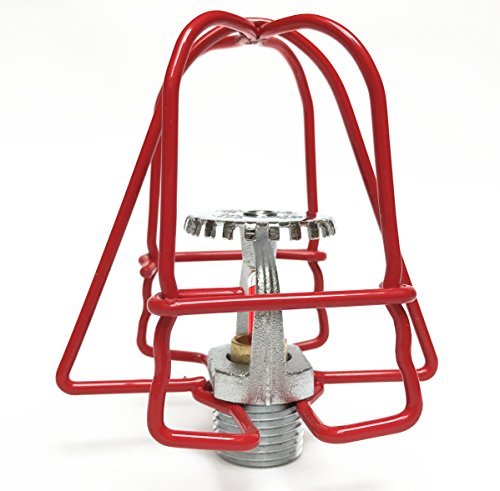
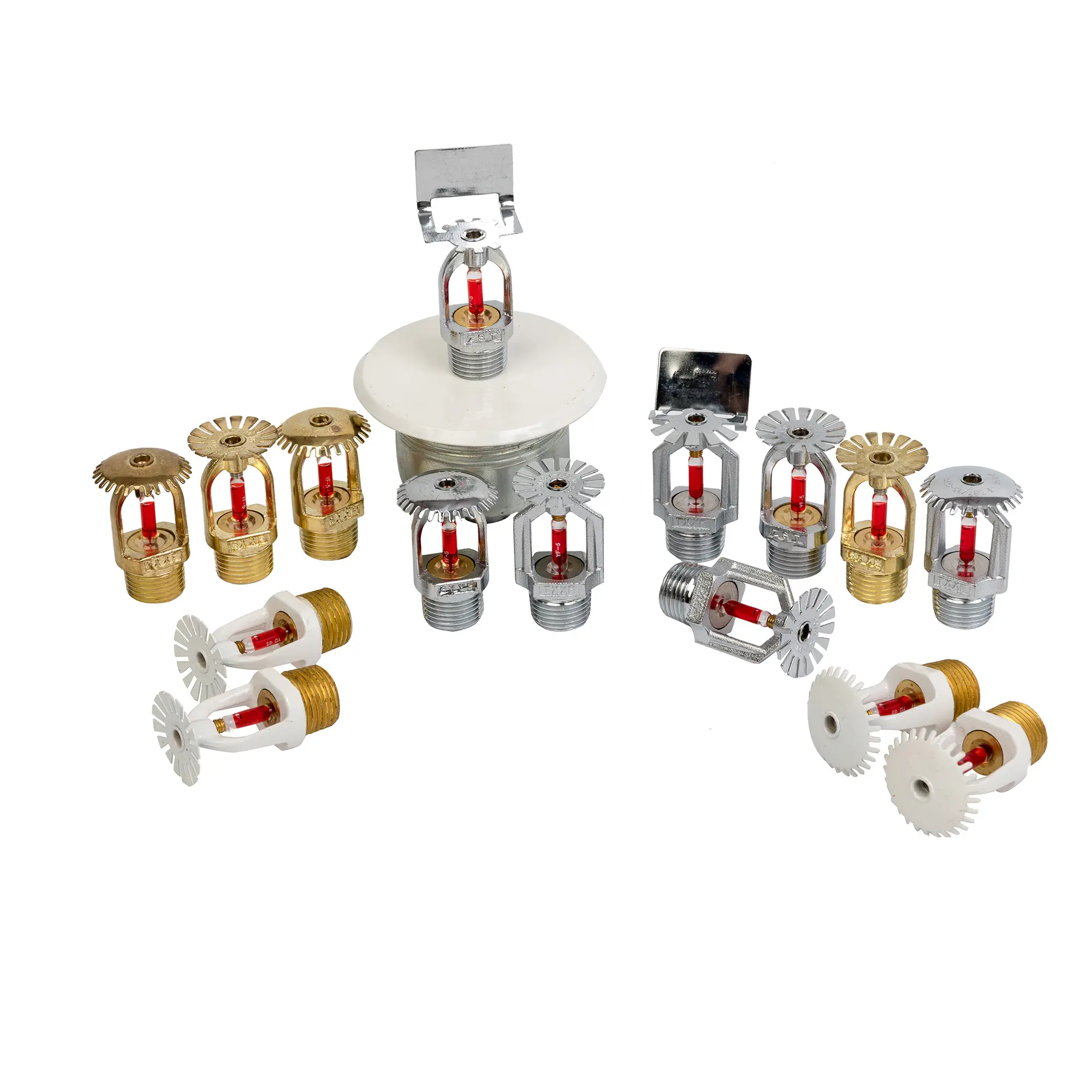
    A steel-wire protective cage for sprinkler heads, preventing accidental damage (forklifts, ladders, etc.) to ensure proper activation during fires.   Uses   Ideal for warehouses, gyms, parking garages, industrial facilities.   Features   Durable chrome-plated/powder-coated steel Fits standard upright/pendent/sidewall sprinklers (1/2" / 3/4" connections) Optional escutcheon plate for neat ceiling fit     ⚠️ Note: Guards resist mechanical damage only (not heat/fire/vandalism). Use NFPA 13-compliant models.  
  • Landing Valve vs. Hydrant Valve

    Landing Valve vs. Hydrant Valve

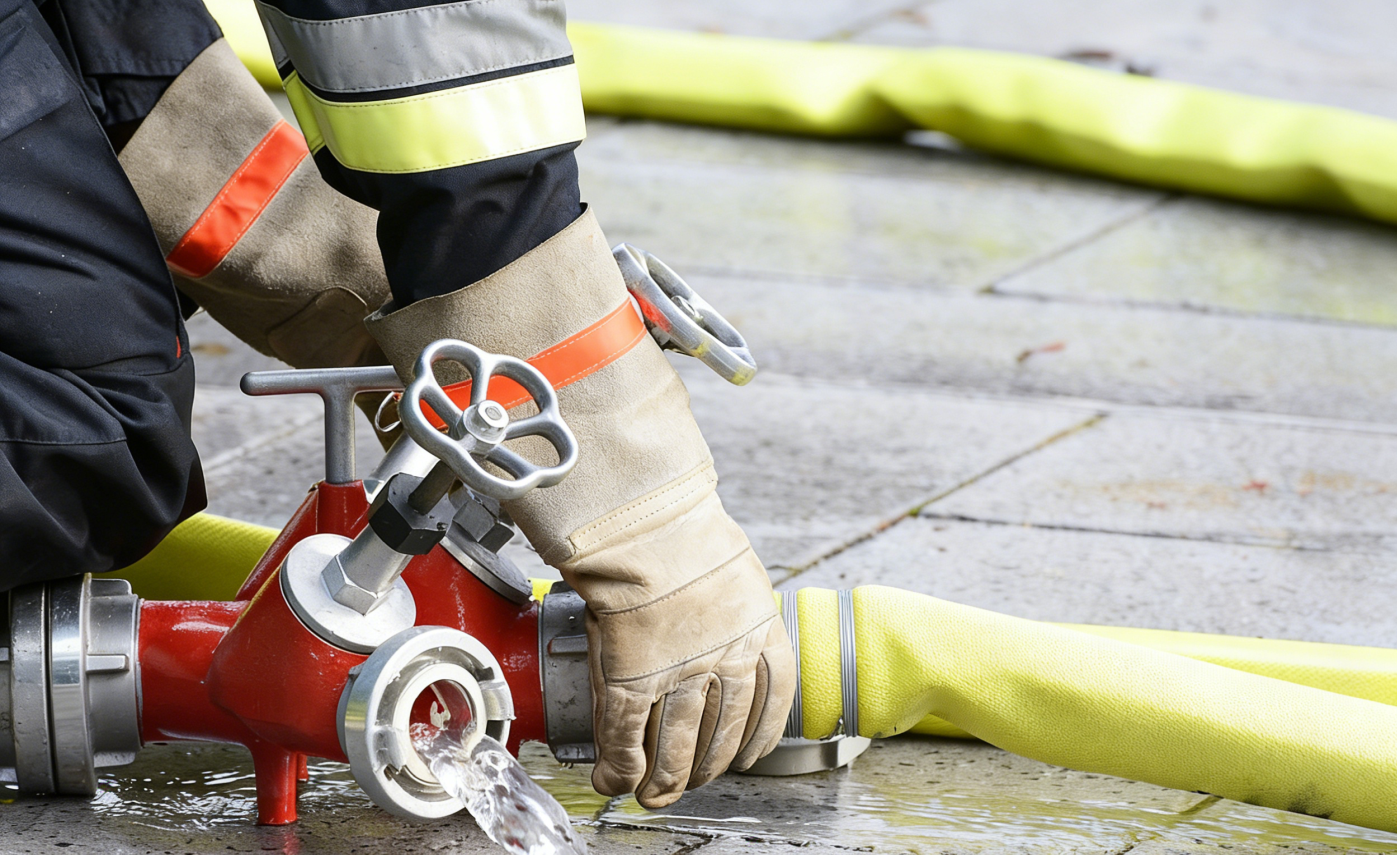
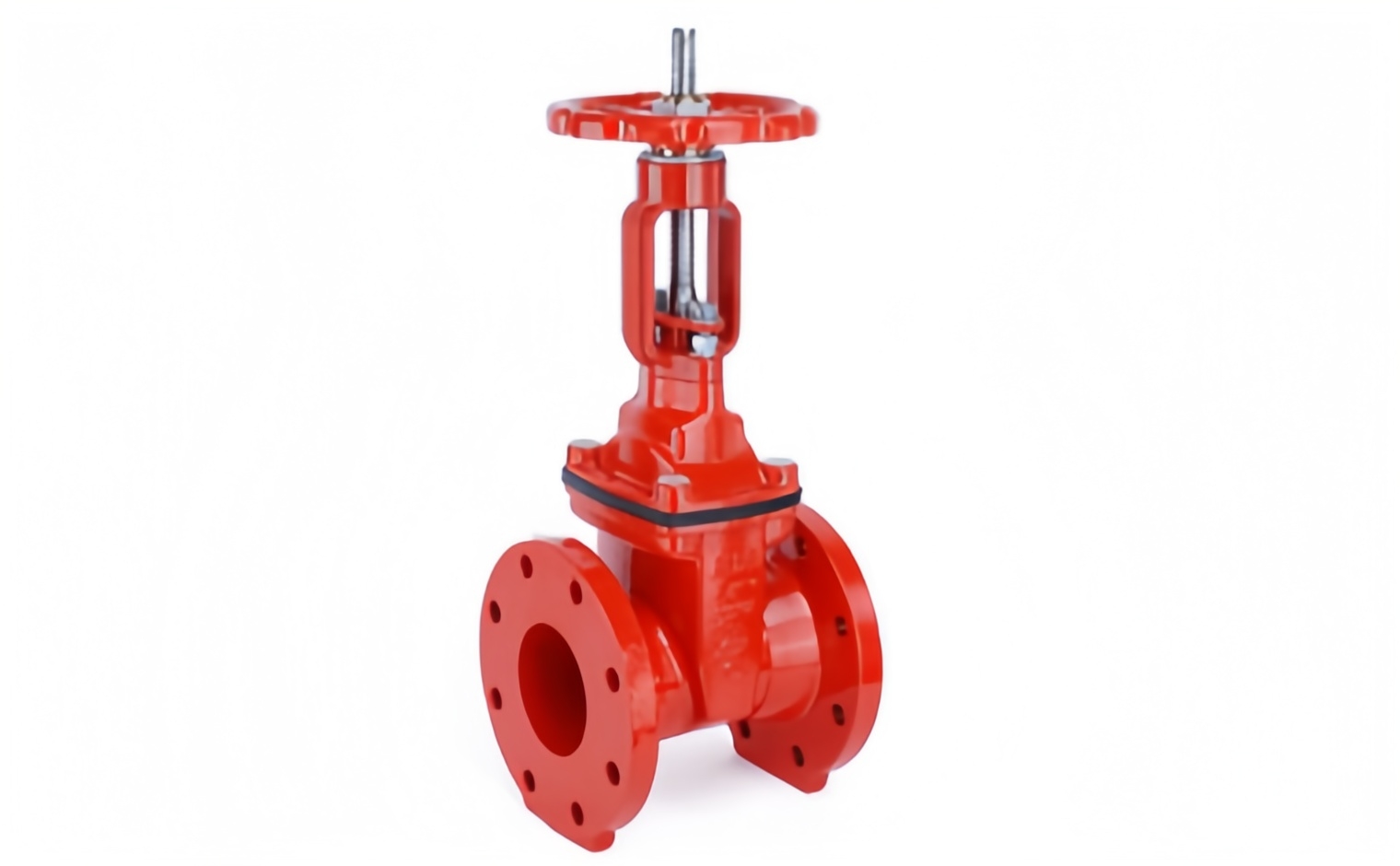
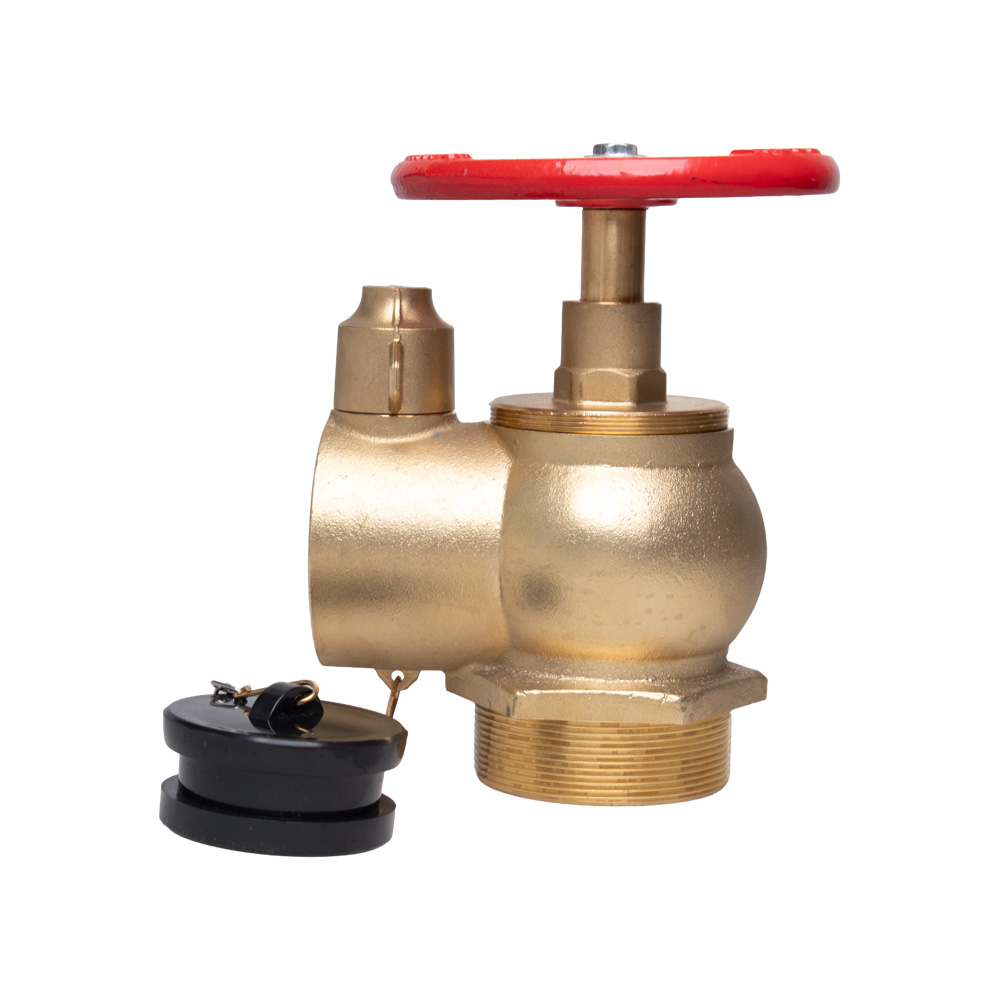
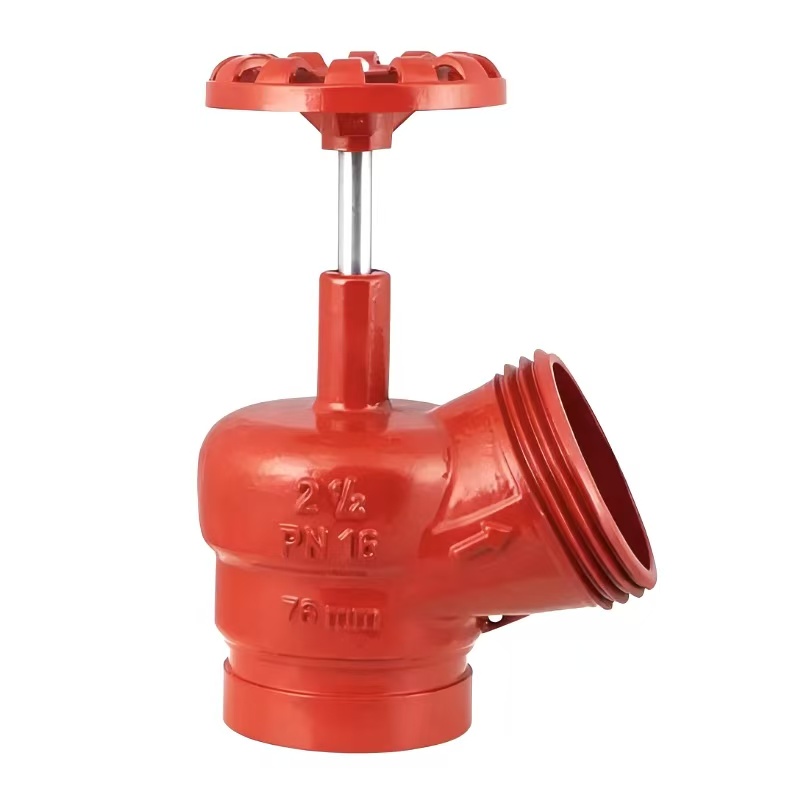
    In fire protection infrastructure, landing valves and hydrant valves are indispensable yet distinct components, each fulfilling unique roles while complementing one another. A clear understanding of their design nuances, functional differences, and practical applications is critical to building robust, effective fire safety systems. 1. Design & Installation Location Landing Valve Landing valves are internally installed within buildings, typically positioned near stairwells, fire service shafts, or dedicated fire equipment rooms on each floor. Their design is compact and streamlined, featuring a single outlet for fire hose connection and an ergonomic handle for quick operation. Engineered to integrate seamlessly with building architecture, they occupy minimal space while remaining easily accessible during emergencies. Hydrant Valve Hydrant valves are externally situated—usually along streets, in open plazas, or near industrial/commercial complexes—as part of municipal fire hydrant systems. Constructed for durability, they are larger and more rugged than landing valves, built to withstand harsh outdoor conditions (rain, snow, extreme temperatures, and physical impact). Connected to underground municipal water mains, their structure is more complex, incorporating multiple components for precise flow and pressure regulation.   2. Core Function & Purpose Landing Valve The primary role of a landing valve is to provide localized, immediate water access for internal building fire suppression. In the event of a fire on a specific floor, firefighters can quickly connect a hose to the nearest landing valve and initiate extinguishing efforts. This is especially critical for high-rise buildings, where relying solely on external water sources may delay response times. By containing fires at their early stages, landing valves prevent vertical and horizontal spread, safeguarding lives and property within the structure. Hydrant Valve Hydrant valves serve as the backbone of external, large-scale fire protection, supplying high-volume water for fires outside buildings or in sprawling spaces (e.g., industrial zones, large commercial parks, open areas). Fire trucks connect directly to these valves to draw water from municipal mains, accessing a continuous, abundant water supply that far exceeds internal building systems. They are essential for tackling large-blaze scenarios or creating protective water curtains to shield adjacent structures.   3. Water Supply & Flow Control Landing Valve Landing valves are linked to the building’s internal water supply system (or dedicated fire tanks). Water flow is regulated via the valve’s integrated mechanism—firefighters adjust the handle to control flow rate, but capacity is inherently limited by the building’s plumbing and internal water pressure. While dedicated fire tanks can supplement supply, flow rates remain modest compared to hydrant valves, aligning with their focus on targeted internal fire suppression. Hydrant Valve Connected to municipal water mains, hydrant valves deliver uninterrupted, high-volume water flow—a critical advantage for large-scale fires. Equipped with precision pressure-regulating valves, they allow firefighters to fine-tune flow and pressure based on operational needs (e.g., high-pressure streams for extinguishing, moderate flow for water curtains). The municipal water grid ensures consistent supply, eliminating the constraints of internal building systems.   4. Operability & Usage Scenarios Landing Valve Landing valves are designed for speed and simplicity. Operation involves three straightforward steps: connect the fire hose to the outlet, turn the handle to open the valve, and start spraying. The intuitive design enables quick deployment—even by personnel with basic training—making them ideal for time-sensitive internal emergencies where every second counts. Hydrant Valve Operating hydrant valves requires specialized training and skill. Firefighters must ensure secure connections to fire truck hoses, adjust pressure regulators to match operational needs, and account for municipal water main pressure to avoid equipment damage (e.g., hose bursts). Proper handling is critical to maximizing water flow efficiency, especially in dynamic large-fire scenarios.   5. Maintenance & Inspection Requirements Landing Valve Routine maintenance focuses on ensuring operational readiness: checking for leaks, verifying smooth valve operation, and inspecting hose connections for security. Scheduled inspections (quarterly or semi-annually) are typically performed by building maintenance staff, as the internal environment minimizes exposure to damage. Hydrant Valve Due to outdoor exposure, hydrant valves demand more frequent, rigorous maintenance. Inspections cover corrosion, physical damage to valves/connections, and functionality of pressure-regulating components. Municipal water authorities or specialized fire protection contractors handle these tasks, as external elements (moisture, debris, temperature swings) pose higher risks of wear and failure.   Conclusion While both landing valves and hydrant valves are foundational to fire protection, their roles are distinctly tailored to different scenarios: landing valves excel at localized, rapid internal fire suppression within buildings, while hydrant valves deliver high-volume water for external and large-scale emergencies. By recognizing their unique strengths and ensuring proper installation, maintenance, and training, fire safety systems can effectively address both internal and external fire risks—creating comprehensive protection for buildings, communities, and critical infrastructure.

  • What is Fire Cabinet

    What is Fire Cabinet

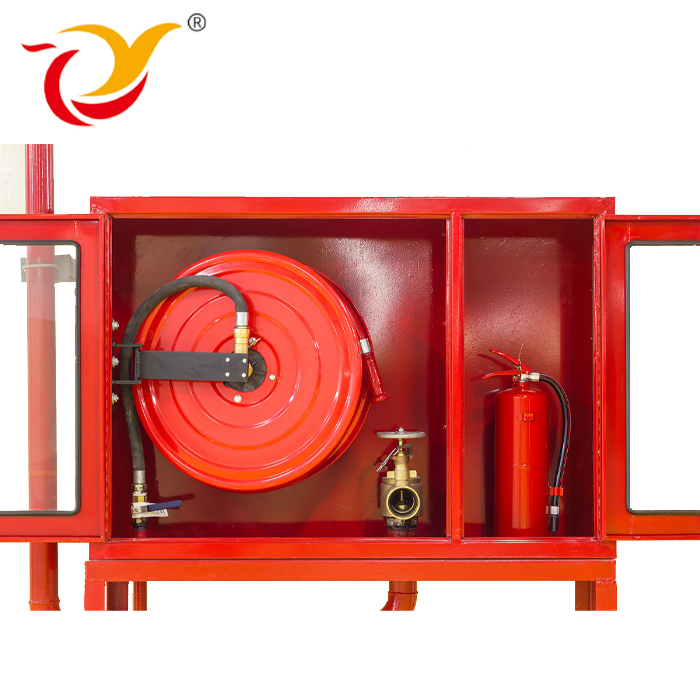
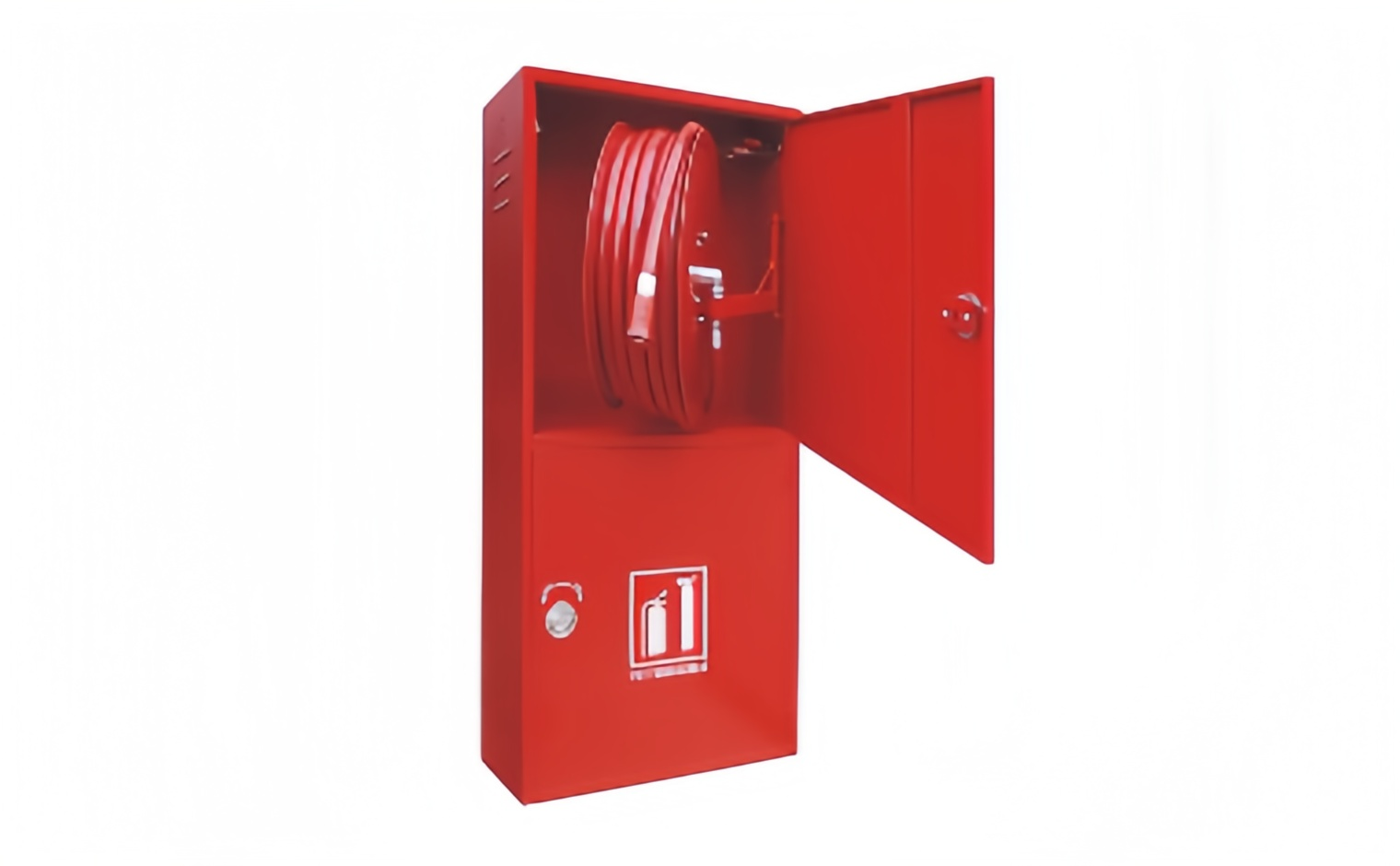
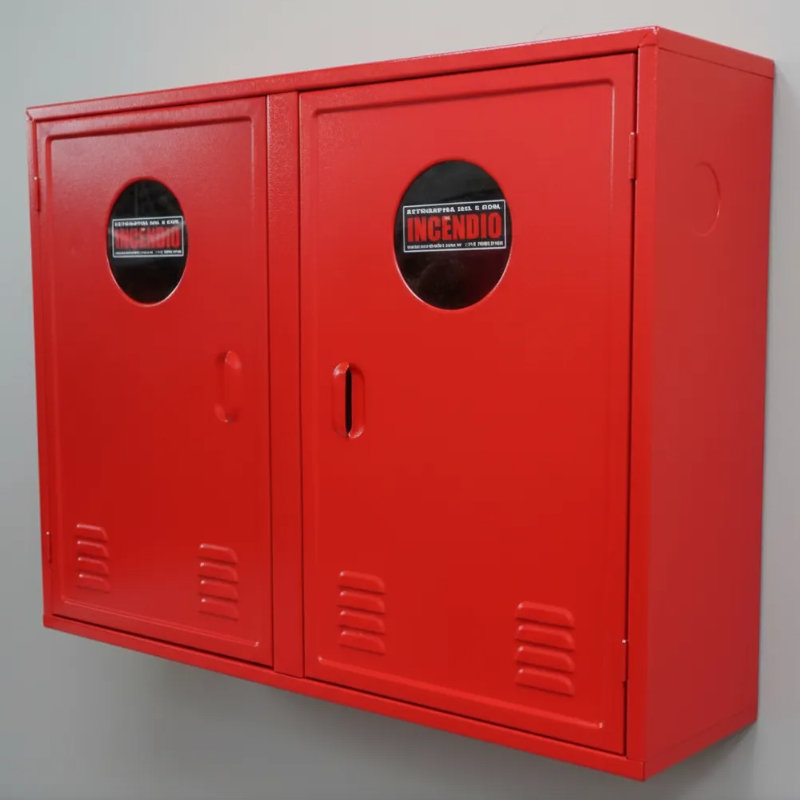
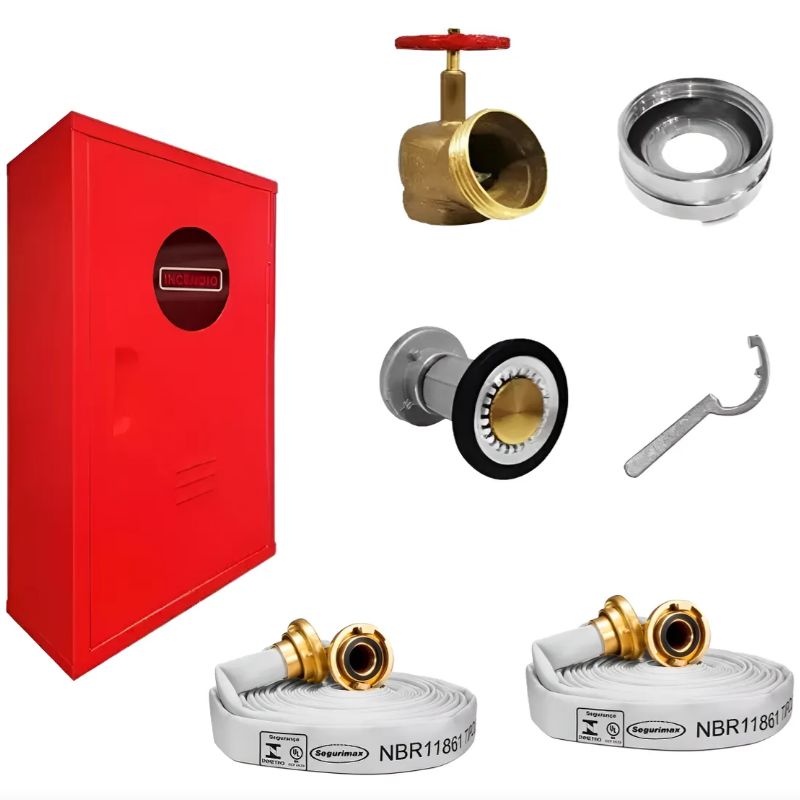
    A fire cabinet is a specialized, wall-mounted or freestanding storage unit designed to securely house fire-fighting equipment and provide quick access during fire emergencies. As a core component of building fire protection systems, it plays a critical role in minimizing fire damage by ensuring that essential tools are organized, protected, and readily available for use by trained personnel or even untrained individuals in urgent situations. Widely installed in commercial buildings, industrial facilities, residential complexes, and public spaces, fire cabinets are engineered to meet strict fire safety standards and adapt to diverse application scenarios.   Core Components of a Standard Fire Cabinet   A well-equipped fire cabinet integrates multiple fire suppression tools, with configurations tailored to the fire risk level of the installation area. The core components typically include:     Fire Hose and Nozzle   The primary fire-fighting tool in the cabinet, usually a high-pressure flexible hose paired with an adjustable nozzle. It connects to the building’s water supply system to deliver a targeted water jet for extinguishing initial-stage fires. Fire Extinguisher   Compact and portable, fire extinguishers (such as dry powder, CO₂, or foam types) are included for tackling small fires involving different combustibles, from solid materials like wood to flammable liquids and electrical equipment. Fire Hose Reel   A retractable reel that stores the fire hose neatly, preventing tangling and ensuring the hose can be pulled out smoothly and quickly during emergencies. Auxiliary Tools   Some cabinets are equipped with additional accessories, including fire alarm buttons, emergency lighting, fire blankets (for smothering small liquid fires or covering burn victims), and spare nozzle parts. Labeling and Signage   High-visibility labels in compliance with fire safety standards mark the cabinet’s location and the function of each component, guiding users to operate the equipment correctly even under stress.   Installation Specifications for Fire Cabinets To ensure the fire cabinet functions effectively when needed, its installation must adhere to strict industry and local fire code requirements:   Location Selection   Install in conspicuous, easily accessible areas, such as corridor intersections, near exit doors, or close to high-risk zones (e.g., kitchens, electrical rooms). Maintain a clear path of at least 1.0–1.5 meters in front of the cabinet, free of obstacles like furniture, boxes, or equipment that could block access. Mount at a height suitable for quick operation; the bottom of the cabinet should typically be 0.15–0.2 meters above the ground, and the handle should be within the reach of an average adult (1.2–1.5 meters from the floor).   Environmental Requirements Avoid installing in areas with extreme temperatures, high humidity, or corrosive gases, which can damage the equipment inside. For outdoor or harsh industrial environments, choose weatherproof and corrosion-resistant cabinet models. Ensure the cabinet is fixed firmly to the wall or floor to prevent tipping during use, especially for freestanding units in high-traffic areas.   Compliance with Standards   Follow regional fire safety regulations (e.g., NFPA standards in the U.S., GB standards in China) for cabinet size, material, and component configuration. Use fire-resistant materials for the cabinet body to protect the internal equipment from heat damage in the early stages of a fire. Key Maintenance Tips for Fire Cabinets Regular maintenance is essential to keep the fire cabinet and its contents in optimal condition. Neglecting maintenance can render the equipment useless when emergencies occur:   Routine Inspection   Conduct a visual inspection monthly: Check if the cabinet door closes securely, labels are legible, and all components are present and undamaged. Verify that the fire hose is free of cracks, the nozzle is not clogged, and the fire extinguisher pressure gauge shows it is within the normal range. Perform a comprehensive inspection annually, including testing the water flow of the fire hose reel, checking the seal of the fire extinguisher, and replacing any expired or damaged equipment.   Cleaning and Storage   Keep the cabinet interior and exterior clean; remove dust and debris regularly to prevent clogging of nozzles or corrosion of metal parts. Ensure the fire hose is reeled properly after each use or inspection, avoiding kinks that could affect water flow.   Record-Keeping   Document all inspection and maintenance activities, including the date, inspector’s name, findings, and any repairs or replacements made. These records are critical for passing fire safety audits and ensuring accountability.     In conclusion, a fire cabinet is more than just a storage box—it is a vital part of a building’s fire protection strategy. By understanding its definition, components, installation rules, and maintenance needs, property managers and facility operators can ensure that this equipment is always ready to support fire emergency response, protecting lives and property. For businesses seeking reliable fire safety solutions, choosing high-quality, compliant fire cabinets and implementing a regular maintenance schedule is a fundamental step toward building a safe environment.
  • Fire Sprinkler Heads: Structure, Types, and Working Principle for Fire Safety

    Fire Sprinkler Heads: Structure, Types, and Working Principle for Fire Safety

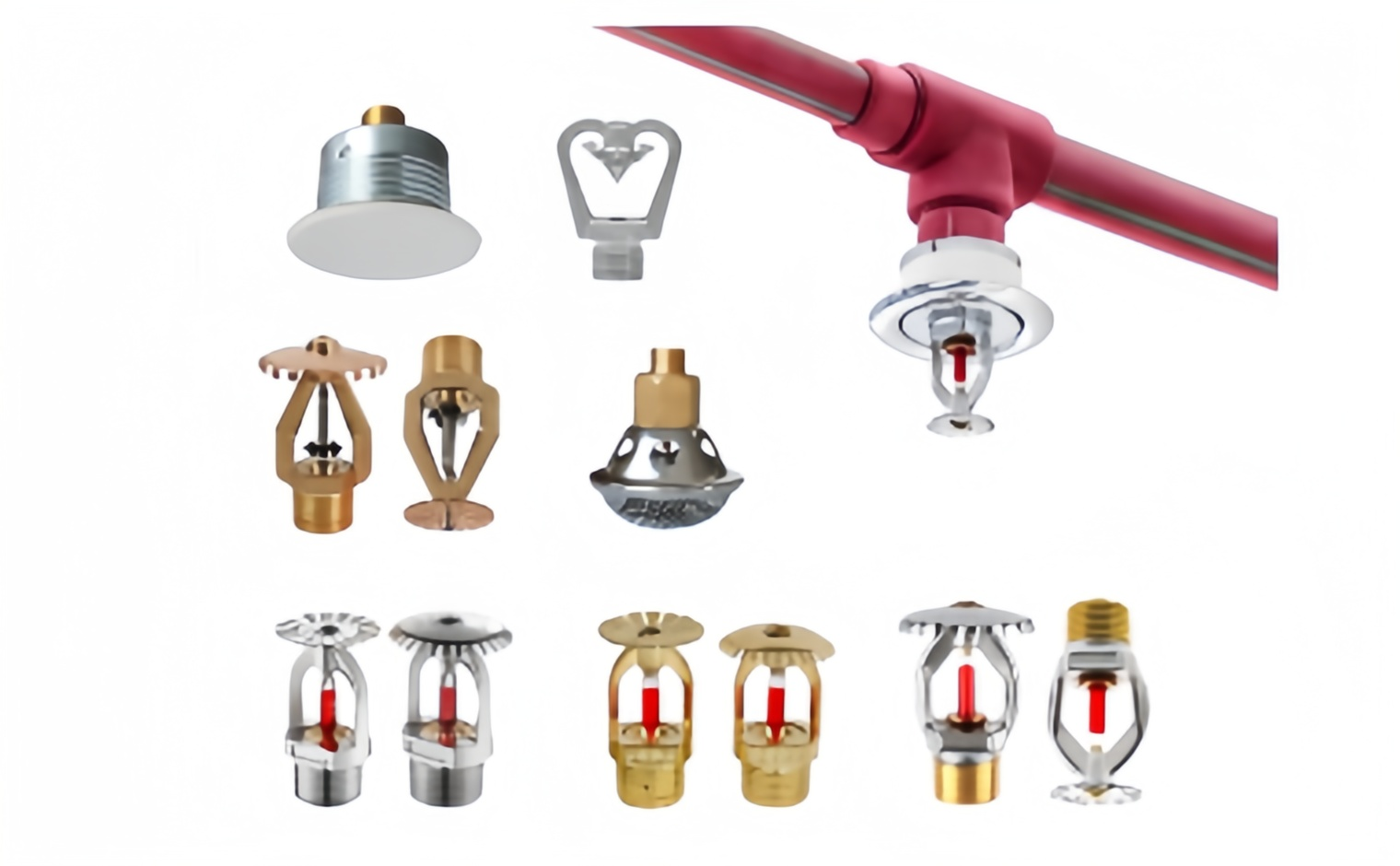
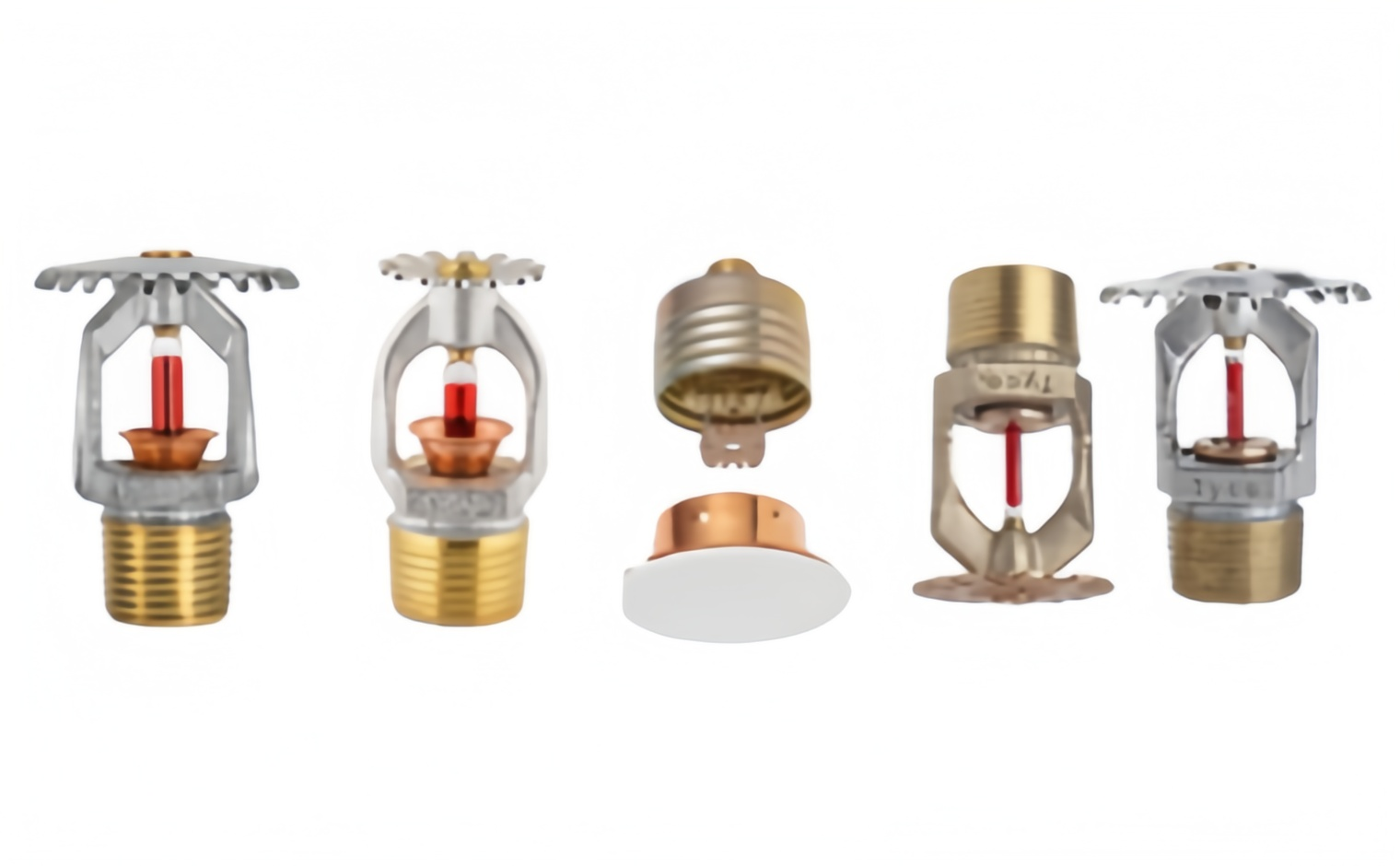
    Fire sprinkler heads are a critical component of fire protection systems, designed to detect and suppress fires automatically. Let’s dive into their structure, types, and how they work to keep spaces safe. What Are Fire Sprinkler Heads?   A fire sprinkler head is a  water-spraying device that activates either automatically when exposed to heat within a preset temperature range or via control equipment in response to fire signals. It discharges water in a designed pattern and flow rate to extinguish or control fires.   Structure of Fire Sprinkler Heads The design of a fire sprinkler head is relatively simple but highly effective, consisting of four main parts:   Sprinkler Head: The component that disperses water when activated. Heat-Sensitive Glass Bulb: The core element, filled with liquids like kerosene or ether. These bulbs come in various colors  and are engineered to burst at specific temperatures. Pipe Plug: Seals the water pipe until the sprinkler is activated. Water Pipe: Connects the sprinkler to the pressurized water supply network.   Types of Fire Sprinkler Heads Fire sprinklers are categorized based on their installation orientation and coverage: Pendent Sprinklers: Installed downward from ceilings, ideal for open spaces. Upright Sprinklers: Installed upward, often used in areas with high ceilings or where debris might accumulate. Sidewall Sprinklers: Mounted on walls, designed to protect the area below and adjacent to the wall. General-Purpose Sprinklers: Versatile, suitable for both pendent and upright installations in standard environments.   The Role of Heat-Sensitive Glass Bulbs The colored heat-sensitive glass bulb is the “brain” of the sprinkler. Here’s what each color signifies:   Red (68°C): The most common type, activating at 68°C – typical for residential and commercial spaces. Yellow (79°C): Activates at 79°C, used in warmer environments like kitchens. Green (93°C): Activates at 93°C, suitable for areas with higher ambient temperatures. Blue (141°C): Activates at 141°C, used in industrial settings with extreme heat.     These bulbs are filled with liquids that expand rapidly when heated. When the surrounding temperature reaches the preset threshold, the liquid expands enough to shatter the glass bulb, triggering the sprinkler.   Working Principle of Fire Sprinkler Heads Installation: Sprinklers are mounted on walls or ceilings, connected to a pressurized water pipeline. Activation: During a fire, the heat-sensitive glass bulb is exposed to high temperatures. The liquid inside expands, causing the bulb to burst. Water Discharge: Once the bulb breaks, the pipe plug is released, and water flows out through the sprinkler head in a designed pattern. Fire Suppression: The water sprays continuously over the fire, either extinguishing it completely or controlling heat and smoke until the fire department arrives.     Fire sprinkler heads are a testament to engineering simplicity and effectiveness, providing 24/7 fire protection that can significantly reduce property damage and save lives. Whether in homes, offices, or industrial facilities, their reliable operation makes them an indispensable part of modern fire safety systems.     #FireSafety #FireSprinkler #FireProtection #Engineering #SafetyFirst
  • Why Quality Fire Hoses Matter for Every Space?

    Why Quality Fire Hoses Matter for Every Space?

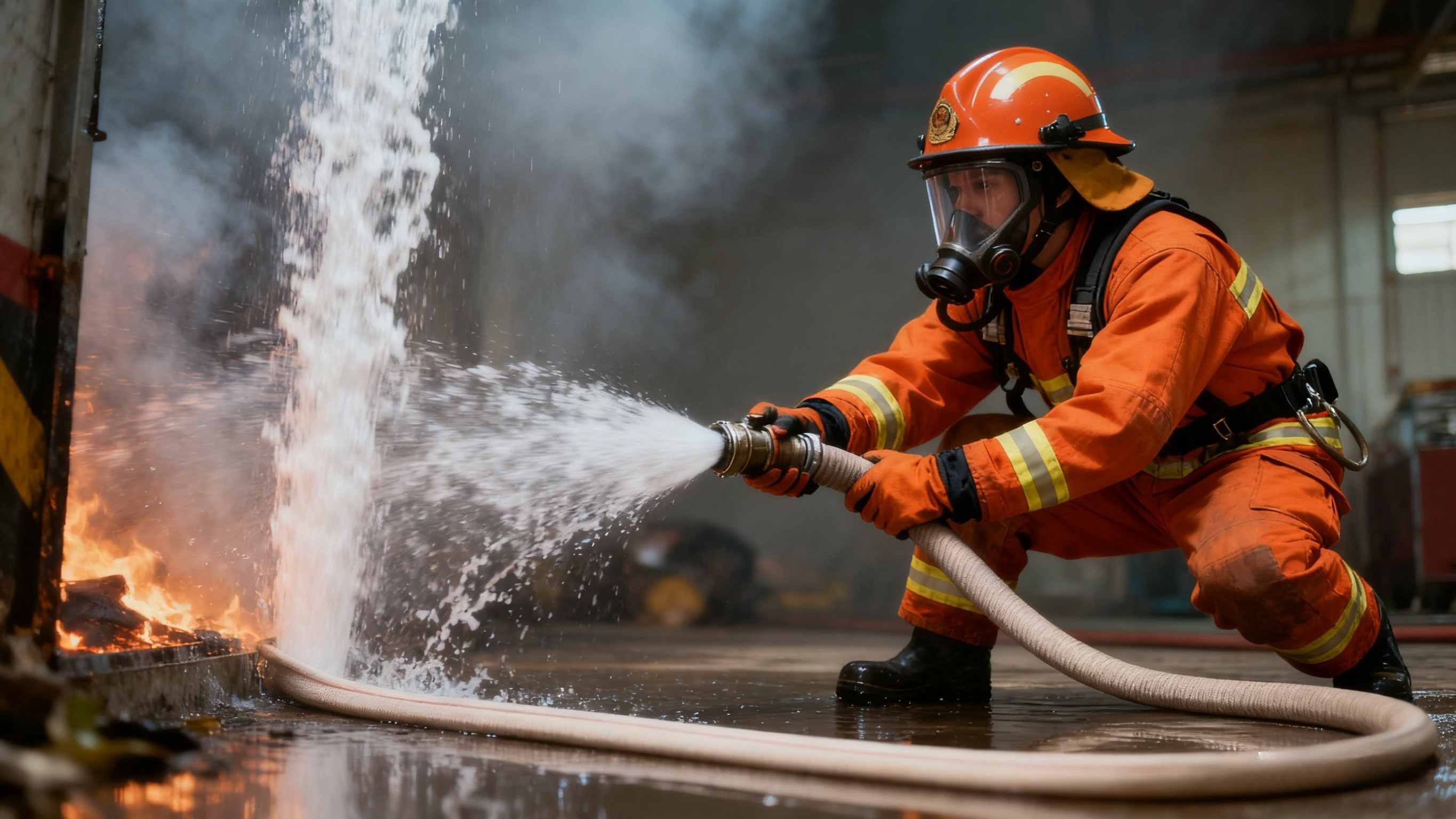
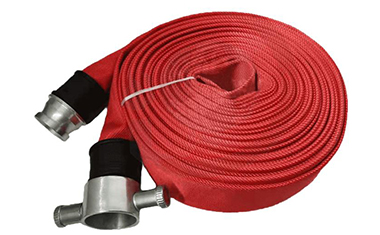
    The Unsung Hero in Fire Safety!   When a fire breaks out, every second counts—and a reliable fire hose stands as the first line of defense between chaos and control. For homeowners, businesses, and industrial sites alike, this essential tool is far more than a length of rubber; it’s a lifeline designed to deliver pressurized water precisely where danger lies.   In residential settings, fire hoses paired with standard garden hose connections (often ¾-inch threads) let families quickly tackle small fires—like a kitchen grease flare-up or a backyard brush spark—before they escalate. For commercial buildings, such as malls or offices, longer, industrial-grade hoses (typically 1.5 to 2.5 inches in diameter) are mounted on walls or in cabinets, ready for staff to use alongside fire extinguishers to contain blazes until firefighters arrive. In factories, where flammable materials or heavy machinery increase risk, heat-resistant hoses with reinforced layers (like polyester or nylon) withstand high temperatures and harsh chemicals, ensuring water flow doesn’t falter during critical moments.   Beyond firefighting, fire hoses serve unexpected roles in daily safety. Municipalities use them to flush storm drains or clean public spaces, while construction sites rely on them to control dust and cool equipment. Their flexibility—able to bend around obstacles—and durability—resistant to kinks and punctures—make them versatile beyond emergencies.   At our factory, we craft fire hoses tailored to these real-world needs. Each hose undergoes strict pressure testing (up to 300 PSI) and leak checks, with materials chosen for long-term use in diverse climates—from humid warehouses to freezing outdoor areas. We know that a hose’s strength isn’t just in its fabric, but in its ability to perform when lives and property are on the line.

leave a message

leave a message
For any request of information or technical support, fill in the form. All fields marked with an asterisk* are required.
Submit
Contact us :
+86 -18159244550

Home

Products

WhatsApp

contact