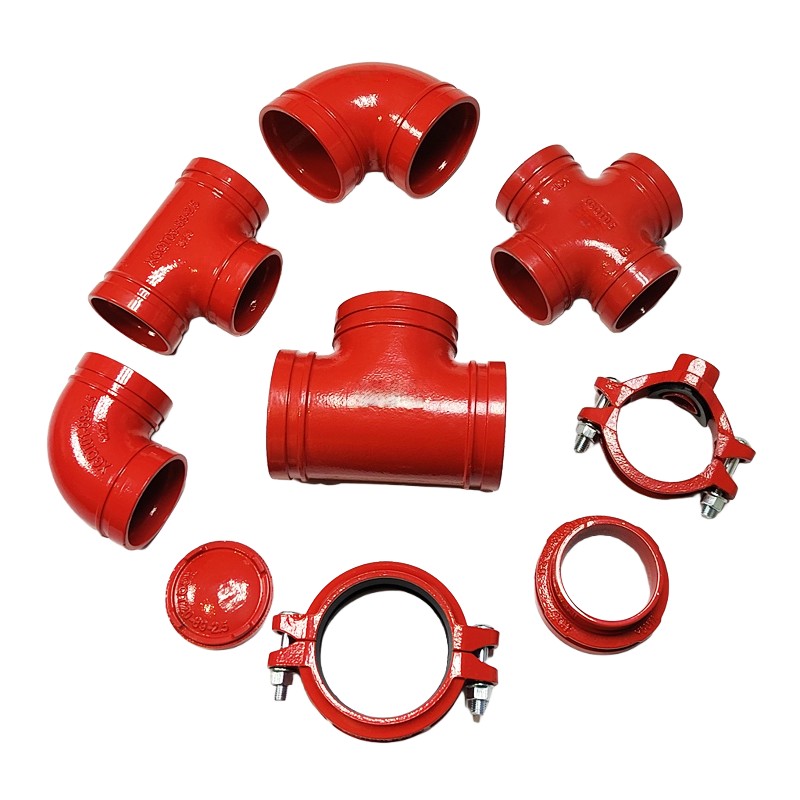
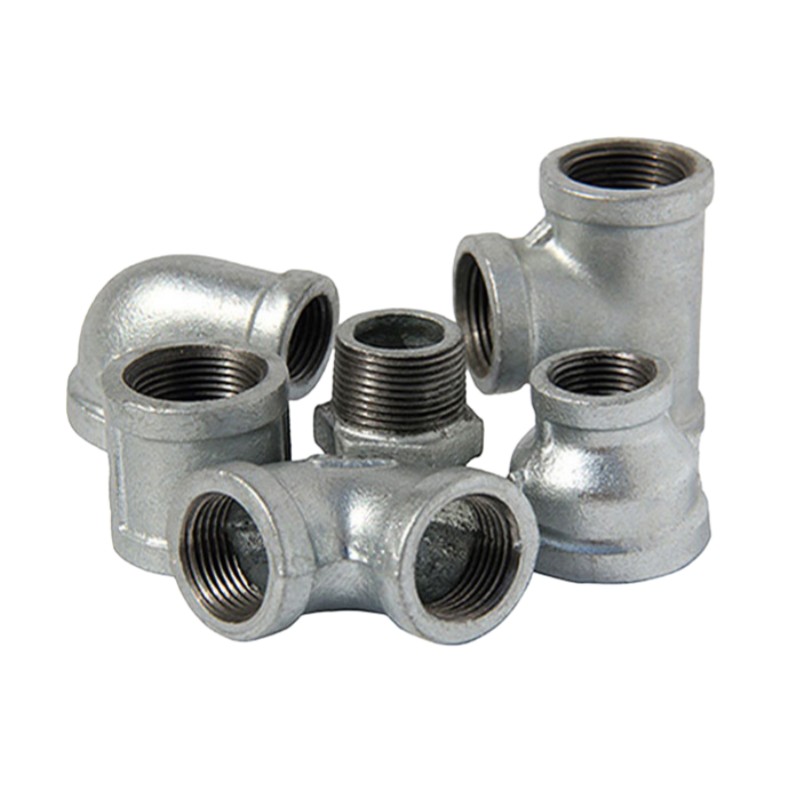
In fire protection infrastructure, landing valves and hydrant valves are indispensable yet distinct components, each fulfilling unique roles while complementing one another. A clear understanding of their design nuances, functional differences, and practical applications is critical to building robust, effective fire safety systems.
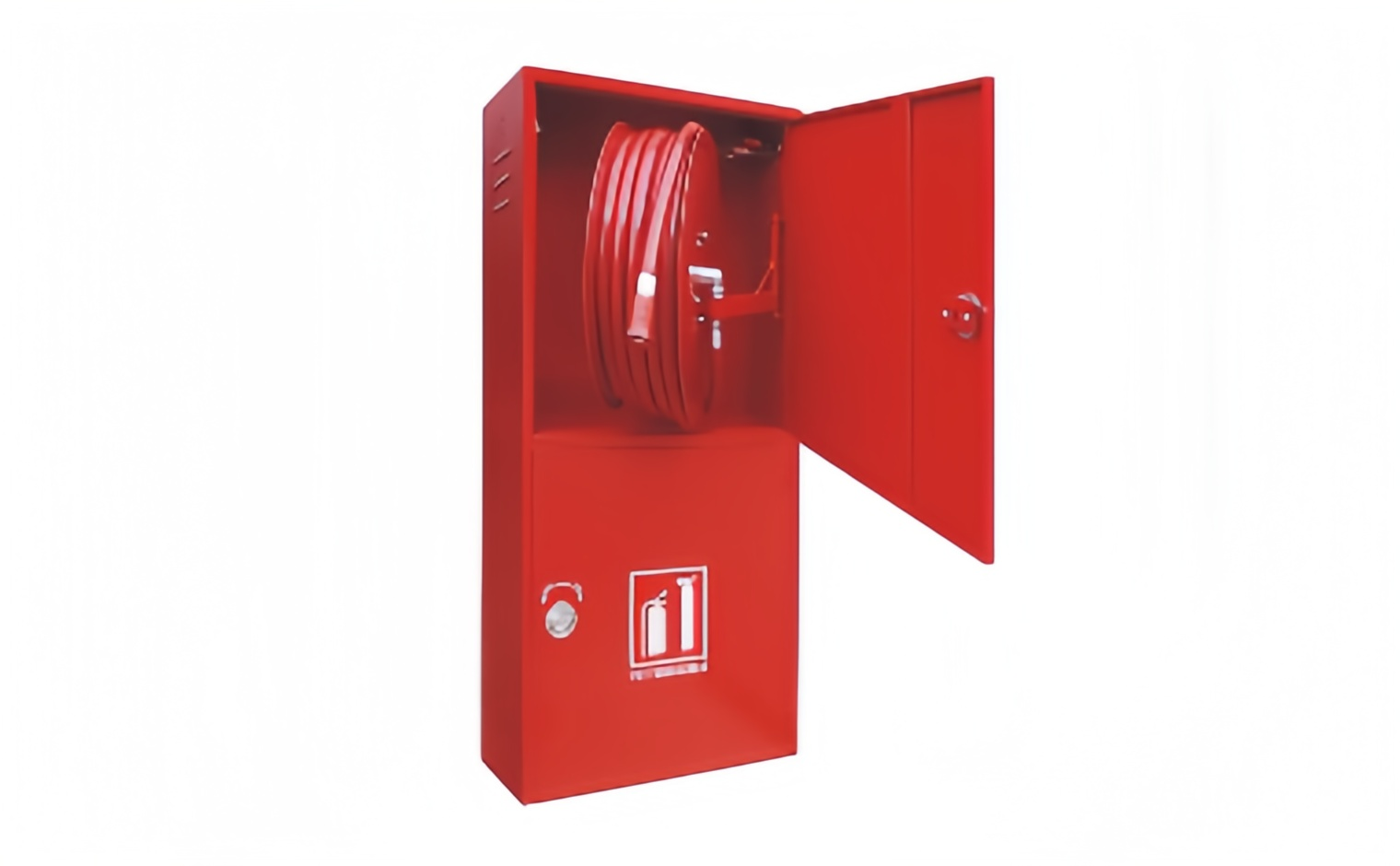
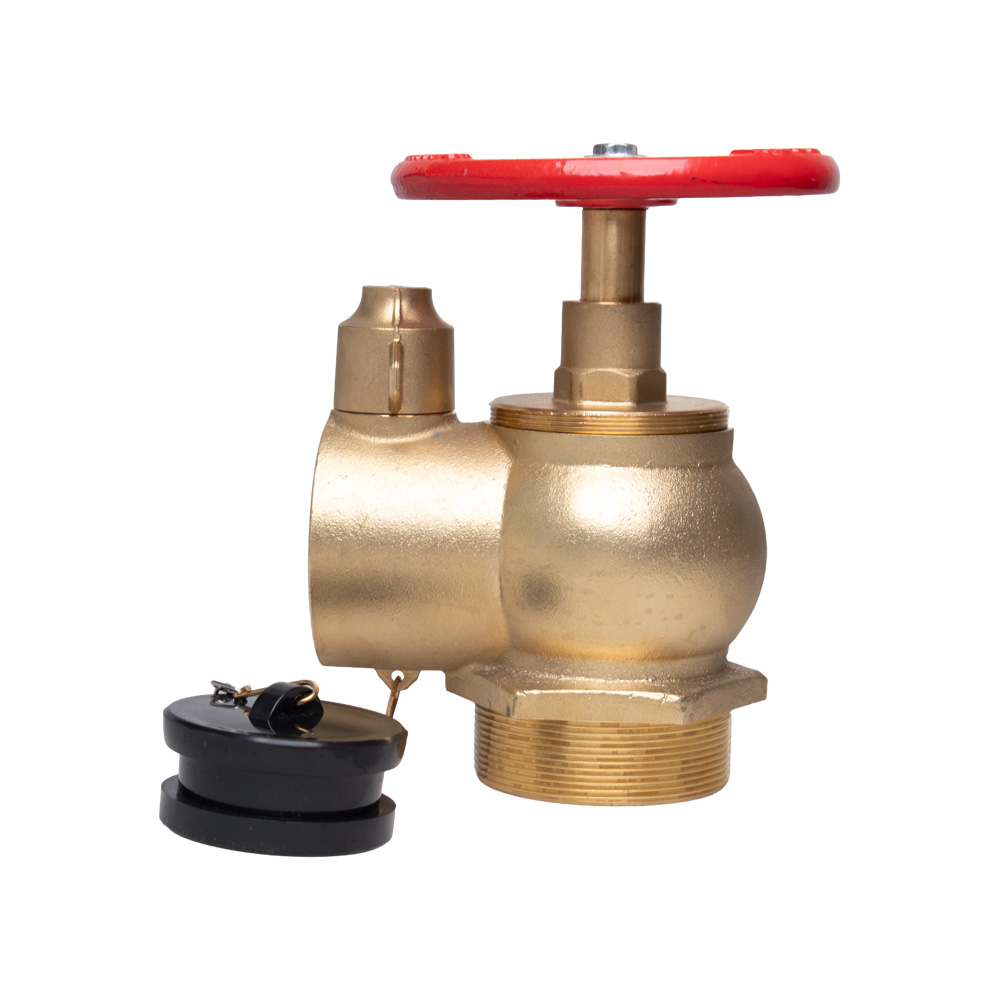
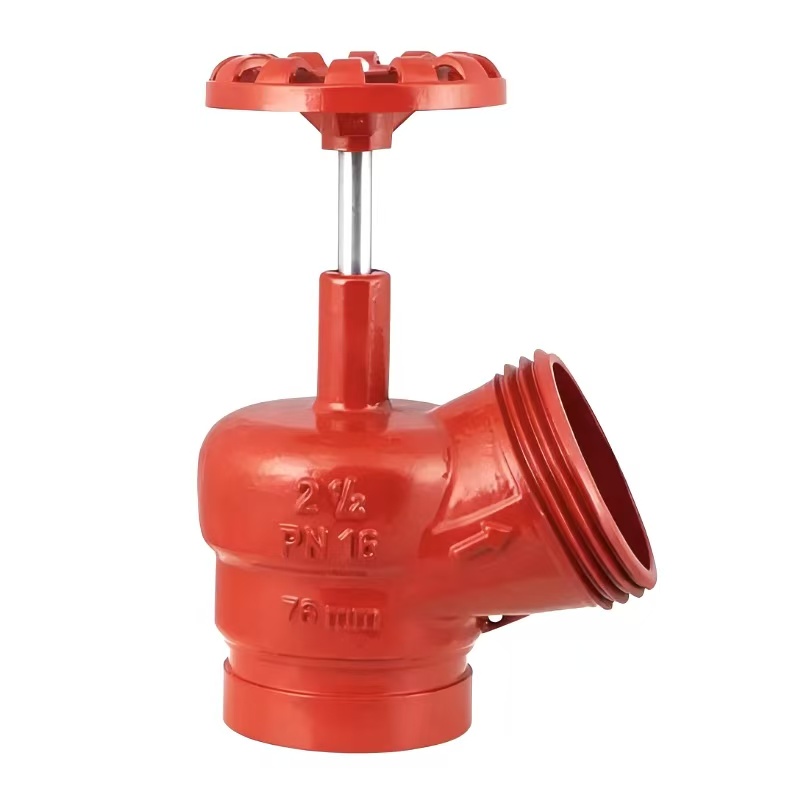
Landing valves are internally installed within buildings, typically positioned near stairwells, fire service shafts, or dedicated fire equipment rooms on each floor. Their design is compact and streamlined, featuring a single outlet for fire hose connection and an ergonomic handle for quick operation. Engineered to integrate seamlessly with building architecture, they occupy minimal space while remaining easily accessible during emergencies.
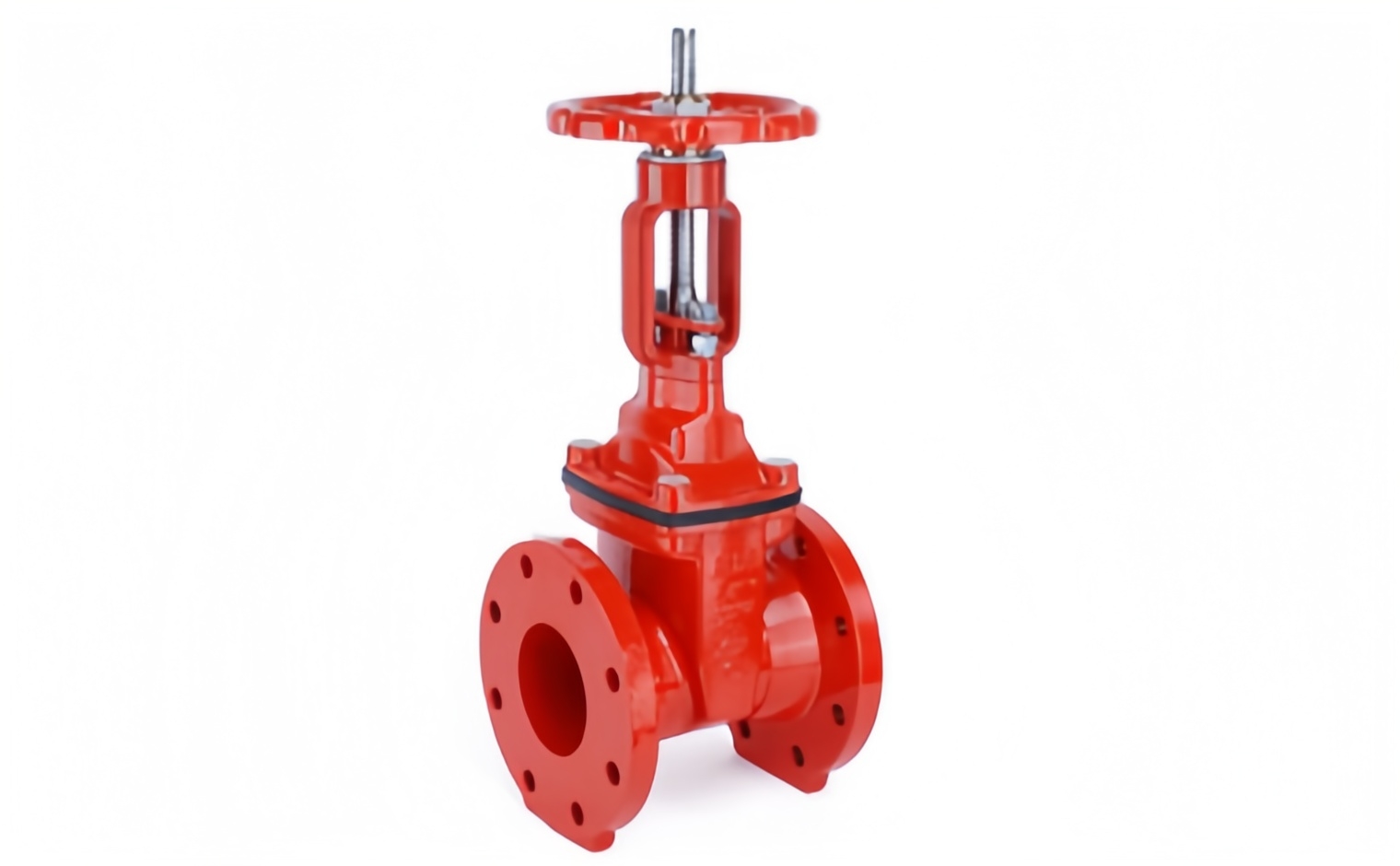
Hydrant valves are externally situated—usually along streets, in open plazas, or near industrial/commercial complexes—as part of municipal fire hydrant systems. Constructed for durability, they are larger and more rugged than landing valves, built to withstand harsh outdoor conditions (rain, snow, extreme temperatures, and physical impact). Connected to underground municipal water mains, their structure is more complex, incorporating multiple components for precise flow and pressure regulation.
The primary role of a landing valve is to provide localized, immediate water access for internal building fire suppression. In the event of a fire on a specific floor, firefighters can quickly connect a hose to the nearest landing valve and initiate extinguishing efforts. This is especially critical for high-rise buildings, where relying solely on external water sources may delay response times. By containing fires at their early stages, landing valves prevent vertical and horizontal spread, safeguarding lives and property within the structure.
Hydrant valves serve as the backbone of external, large-scale fire protection, supplying high-volume water for fires outside buildings or in sprawling spaces (e.g., industrial zones, large commercial parks, open areas). Fire trucks connect directly to these valves to draw water from municipal mains, accessing a continuous, abundant water supply that far exceeds internal building systems. They are essential for tackling large-blaze scenarios or creating protective water curtains to shield adjacent structures.
Landing valves are linked to the building’s internal water supply system (or dedicated fire tanks). Water flow is regulated via the valve’s integrated mechanism—firefighters adjust the handle to control flow rate, but capacity is inherently limited by the building’s plumbing and internal water pressure. While dedicated fire tanks can supplement supply, flow rates remain modest compared to hydrant valves, aligning with their focus on targeted internal fire suppression.
Connected to municipal water mains, hydrant valves deliver uninterrupted, high-volume water flow—a critical advantage for large-scale fires. Equipped with precision pressure-regulating valves, they allow firefighters to fine-tune flow and pressure based on operational needs (e.g., high-pressure streams for extinguishing, moderate flow for water curtains). The municipal water grid ensures consistent supply, eliminating the constraints of internal building systems.
Landing valves are designed for speed and simplicity. Operation involves three straightforward steps: connect the fire hose to the outlet, turn the handle to open the valve, and start spraying. The intuitive design enables quick deployment—even by personnel with basic training—making them ideal for time-sensitive internal emergencies where every second counts.
Operating hydrant valves requires specialized training and skill. Firefighters must ensure secure connections to fire truck hoses, adjust pressure regulators to match operational needs, and account for municipal water main pressure to avoid equipment damage (e.g., hose bursts). Proper handling is critical to maximizing water flow efficiency, especially in dynamic large-fire scenarios.
Routine maintenance focuses on ensuring operational readiness: checking for leaks, verifying smooth valve operation, and inspecting hose connections for security. Scheduled inspections (quarterly or semi-annually) are typically performed by building maintenance staff, as the internal environment minimizes exposure to damage.
Due to outdoor exposure, hydrant valves demand more frequent, rigorous maintenance. Inspections cover corrosion, physical damage to valves/connections, and functionality of pressure-regulating components. Municipal water authorities or specialized fire protection contractors handle these tasks, as external elements (moisture, debris, temperature swings) pose higher risks of wear and failure.
While both landing valves and hydrant valves are foundational to fire protection, their roles are distinctly tailored to different scenarios: landing valves excel at localized, rapid internal fire suppression within buildings, while hydrant valves deliver high-volume water for external and large-scale emergencies. By recognizing their unique strengths and ensuring proper installation, maintenance, and training, fire safety systems can effectively address both internal and external fire risks—creating comprehensive protection for buildings, communities, and critical infrastructure.