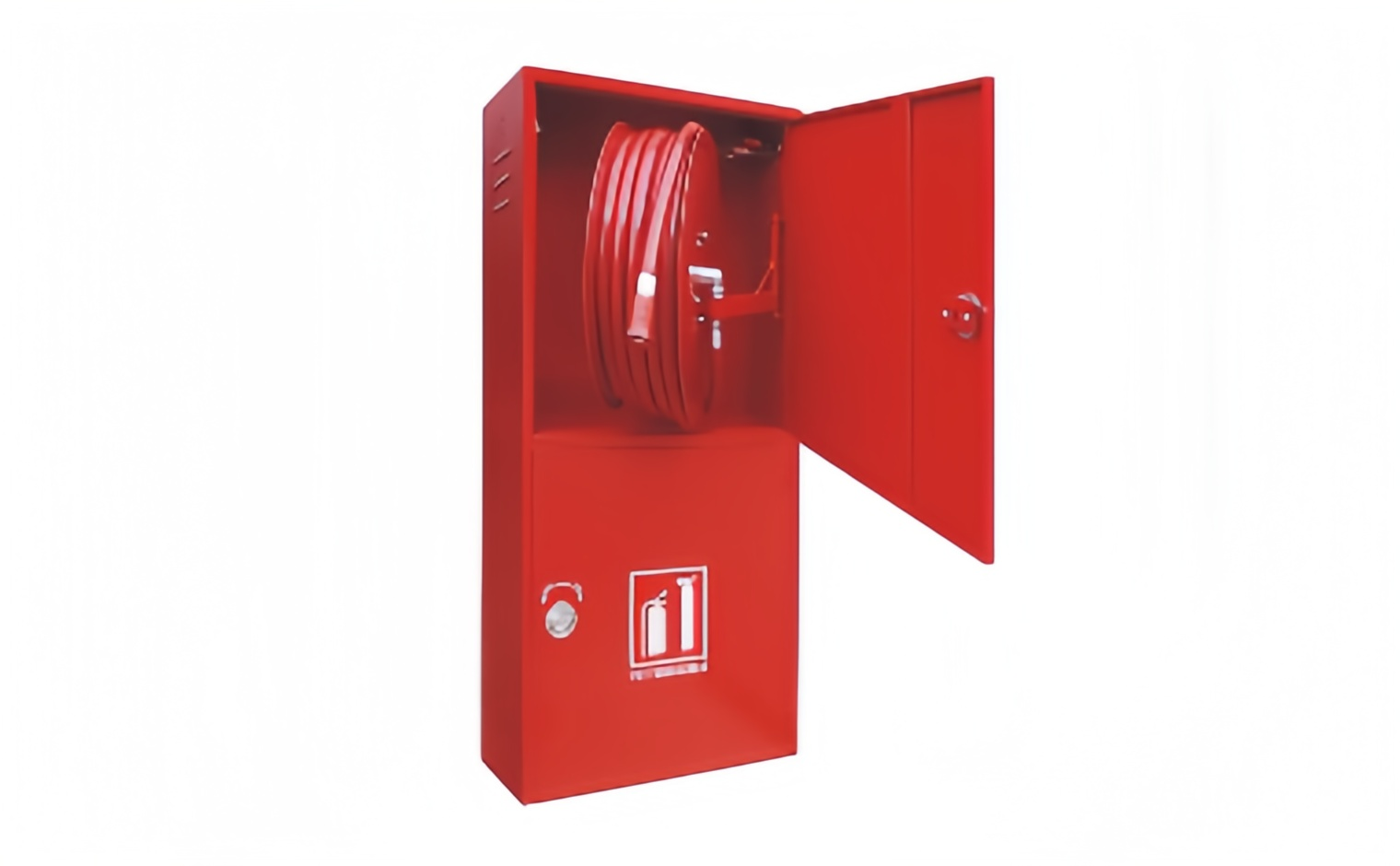
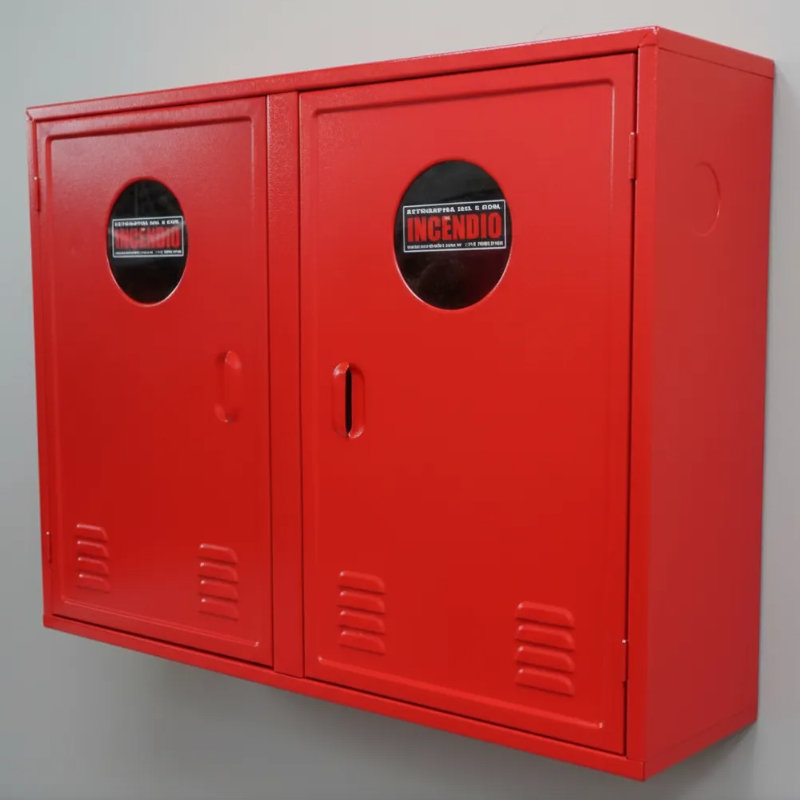
A fire cabinet is a specialized, wall-mounted or freestanding storage unit designed to securely house fire-fighting equipment and provide quick access during fire emergencies. As a core component of building fire protection systems, it plays a critical role in minimizing fire damage by ensuring that essential tools are organized, protected, and readily available for use by trained personnel or even untrained individuals in urgent situations. Widely installed in commercial buildings, industrial facilities, residential complexes, and public spaces, fire cabinets are engineered to meet strict fire safety standards and adapt to diverse application scenarios.
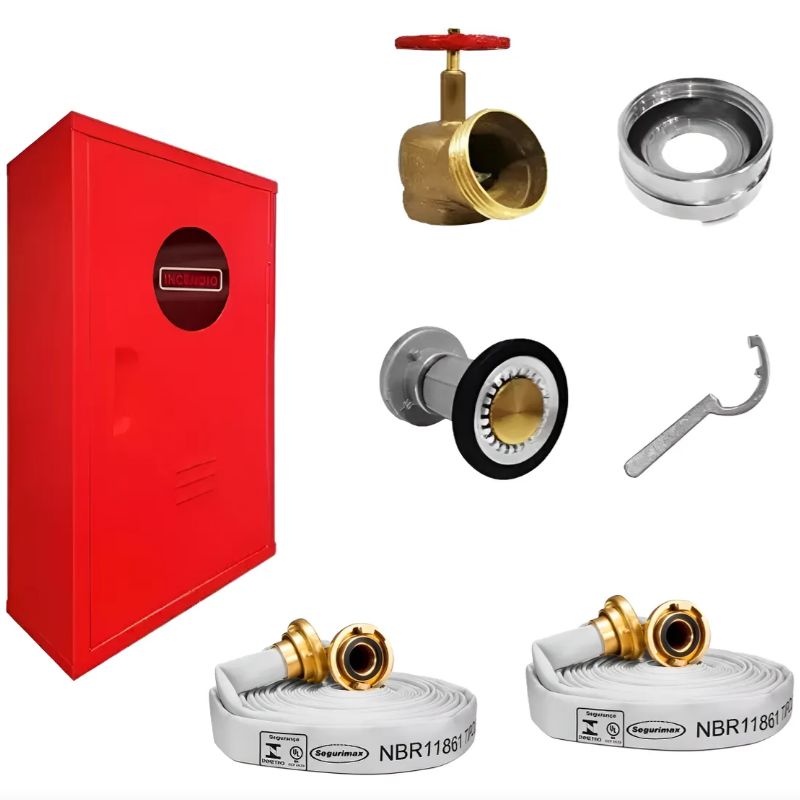
A well-equipped fire cabinet integrates multiple fire suppression tools, with configurations tailored to the fire risk level of the installation area. The core components typically include:
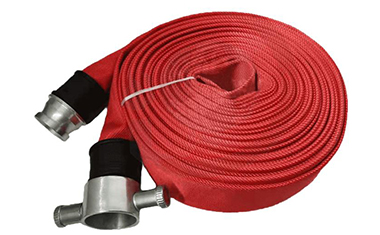
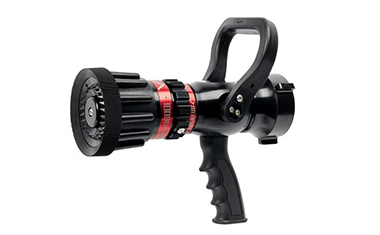
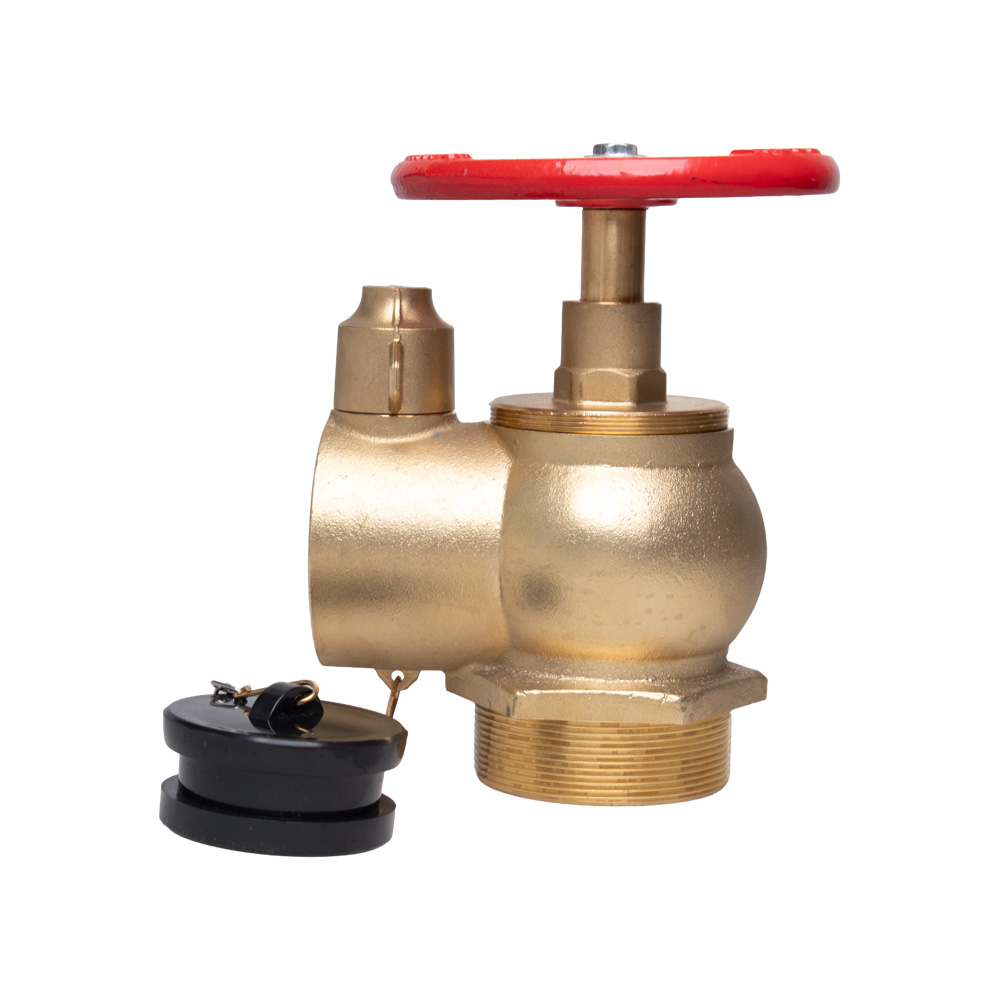
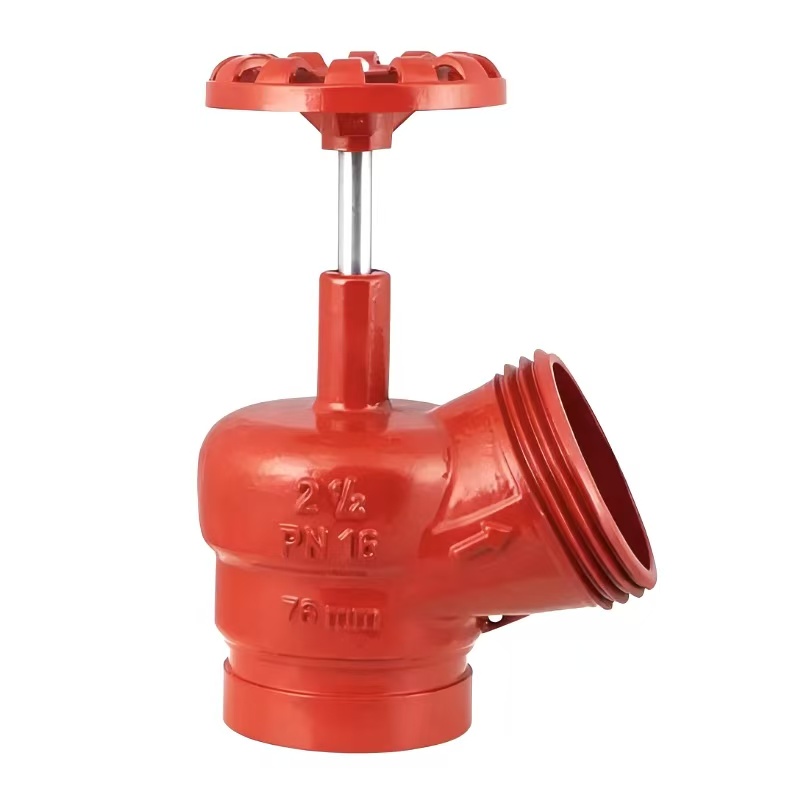
The primary fire-fighting tool in the cabinet, usually a high-pressure flexible hose paired with an adjustable nozzle. It connects to the building’s water supply system to deliver a targeted water jet for extinguishing initial-stage fires.
Compact and portable, fire extinguishers (such as dry powder, CO₂, or foam types) are included for tackling small fires involving different combustibles, from solid materials like wood to flammable liquids and electrical equipment.
A retractable reel that stores the fire hose neatly, preventing tangling and ensuring the hose can be pulled out smoothly and quickly during emergencies.
Some cabinets are equipped with additional accessories, including fire alarm buttons, emergency lighting, fire blankets (for smothering small liquid fires or covering burn victims), and spare nozzle parts.
High-visibility labels in compliance with fire safety standards mark the cabinet’s location and the function of each component, guiding users to operate the equipment correctly even under stress.
To ensure the fire cabinet functions effectively when needed, its installation must adhere to strict industry and local fire code requirements:
- Install in conspicuous, easily accessible areas, such as corridor intersections, near exit doors, or close to high-risk zones (e.g., kitchens, electrical rooms).
- Maintain a clear path of at least 1.0–1.5 meters in front of the cabinet, free of obstacles like furniture, boxes, or equipment that could block access.
- Mount at a height suitable for quick operation; the bottom of the cabinet should typically be 0.15–0.2 meters above the ground, and the handle should be within the reach of an average adult (1.2–1.5 meters from the floor).
- Environmental Requirements
- Avoid installing in areas with extreme temperatures, high humidity, or corrosive gases, which can damage the equipment inside. For outdoor or harsh industrial environments, choose weatherproof and corrosion-resistant cabinet models.
- Ensure the cabinet is fixed firmly to the wall or floor to prevent tipping during use, especially for freestanding units in high-traffic areas.
- Compliance with Standards
- Follow regional fire safety regulations (e.g., NFPA standards in the U.S., GB standards in China) for cabinet size, material, and component configuration.
- Use fire-resistant materials for the cabinet body to protect the internal equipment from heat damage in the early stages of a fire.
Regular maintenance is essential to keep the fire cabinet and its contents in optimal condition. Neglecting maintenance can render the equipment useless when emergencies occur:
- Conduct a visual inspection monthly: Check if the cabinet door closes securely, labels are legible, and all components are present and undamaged. Verify that the fire hose is free of cracks, the nozzle is not clogged, and the fire extinguisher pressure gauge shows it is within the normal range.
- Perform a comprehensive inspection annually, including testing the water flow of the fire hose reel, checking the seal of the fire extinguisher, and replacing any expired or damaged equipment.
- Keep the cabinet interior and exterior clean; remove dust and debris regularly to prevent clogging of nozzles or corrosion of metal parts.
- Ensure the fire hose is reeled properly after each use or inspection, avoiding kinks that could affect water flow.
- Document all inspection and maintenance activities, including the date, inspector’s name, findings, and any repairs or replacements made. These records are critical for passing fire safety audits and ensuring accountability.
In conclusion, a fire cabinet is more than just a storage box—it is a vital part of a building’s fire protection strategy. By understanding its definition, components, installation rules, and maintenance needs, property managers and facility operators can ensure that this equipment is always ready to support fire emergency response, protecting lives and property. For businesses seeking reliable fire safety solutions, choosing high-quality, compliant fire cabinets and implementing a regular maintenance schedule is a fundamental step toward building a safe environment.